


What level of hearing loss requires a hearing aid?
You don't need to have severe hearing loss to benefit from hearing aids. Even mild hearing loss can make everyday conversations difficult, particularly in busy restaurants, family gatherings or other noisy environments.
There's no single level of hearing loss at which everyone needs a hearing aid. The decision depends on your hearing test results, how hearing loss affects your daily life and your personal preferences.
At House of Hearing, our experienced audiologists can help you understand your hearing and whether hearing aids could make a difference.
What are the different levels of hearing loss?
Hearing loss is measured in decibels hearing level (dB HL). During a hearing test, your audiologist measures the quietest sounds you can hear at different pitches and records the results on an audiogram.
Hearing loss is generally classified into the following levels:
Normal hearing (below 20 dB HL)
You can typically hear everyday sounds and conversations without significant difficulty.
Mild hearing loss (20–34 dB HL)
You may struggle to hear softer speech or follow conversations when there's background noise.
Moderate hearing loss (35–49 dB HL)
You may find it difficult to follow conversations, even in quieter surroundings, and frequently ask people to repeat themselves.
Moderately severe hearing loss (50–64 dB HL)
Understanding speech without amplification can become increasingly challenging.
Severe hearing loss (65–79 dB HL)
You may have considerable difficulty hearing normal conversations without hearing aids or other support.
Profound hearing loss (80–94 dB HL)
Hearing speech can be extremely difficult, even when voices are raised. Specialist hearing technology or other communication support may be needed.
These ranges follow World Health Organization classifications. Hearing thresholds of 95 dB HL or greater are classified separately as complete or total hearing loss/deafness. Your audiologist will consider your hearing across different pitches and in each ear, rather than relying on a single number.

Can you need hearing aids for mild hearing loss?
Hearing aids can be helpful even when hearing loss is mild.
For example, you might hear perfectly well during a one-to-one conversation in a quiet room but struggle to follow what people are saying in a busy café.
You may also find yourself turning up the television, asking people to repeat themselves or feeling tired after concentrating on conversations.
If these difficulties are affecting your quality of life, hearing aids may help.
The important consideration isn't simply how much hearing you've lost, but how much that loss is affecting you.
What are the signs that you might need hearing aids?
Hearing loss often develops gradually, so it isn't always easy to recognise.
Common signs include:
- Frequently asking people to repeat themselves.
- Struggling to follow conversations in restaurants or social gatherings.
- Turning up the television louder than others prefer.
- Finding it difficult to hear softer voices.
- Missing parts of conversations or misunderstanding what's been said.
- Feeling tired after concentrating on conversations.
- Avoiding social situations because hearing has become difficult.
If any of these sound familiar, a hearing test is a sensible first step.
What causes hearing loss?
There are several possible causes of hearing loss, including:
- Age-related hearing loss: One of the most common causes, often developing gradually as we get older.
- Noise exposure: Repeated exposure to loud music, machinery or other excessive noise can permanently damage hearing.
- Earwax build-up: Excessive earwax can temporarily affect hearing and may be resolved through professional removal.
- Ear infections and medical conditions: Some conditions affect the outer, middle or inner ear and may require medical treatment.
Hearing loss can also be linked to genetics, certain medications or injury. Understanding the cause is an important part of finding the right solution.

What happens during a hearing test?
At House of Hearing, we offer free hearing tests to help you understand your hearing health.
Your audiologist will discuss any difficulties you've been experiencing, your medical history and how your hearing affects everyday life.
They'll examine your ears and carry out hearing assessments, which typically involve listening to sounds at different pitches and volumes.
Depending on your needs, further tests may be recommended.
Your results will be explained clearly, along with any suitable next steps. If hearing aids could help, your audiologist will talk you through the options, with no obligation to purchase.
Do hearing aids work for all levels of hearing loss?
Modern hearing aids can help many people with mild, moderate and severe hearing loss.
They use advanced technology to process and amplify sound, making speech and other important sounds easier to hear.
However, hearing aids don't restore hearing to normal, and the benefits vary depending on the type and severity of hearing loss.
For some people with severe or profound hearing loss, other options, including specialist assessment for cochlear implants, may be appropriate.
Your audiologist can help you understand which approach is most suitable for your individual needs.
When should you get your hearing checked?
You don't need to wait until hearing loss becomes severe.
If conversations are becoming more difficult, you're regularly asking people to repeat themselves or you've noticed a change in your hearing, it's worth arranging an assessment.
Important: If you experience sudden hearing loss, particularly over a few hours or days, seek urgent medical advice through your GP or NHS 111 rather than waiting for a routine hearing test.
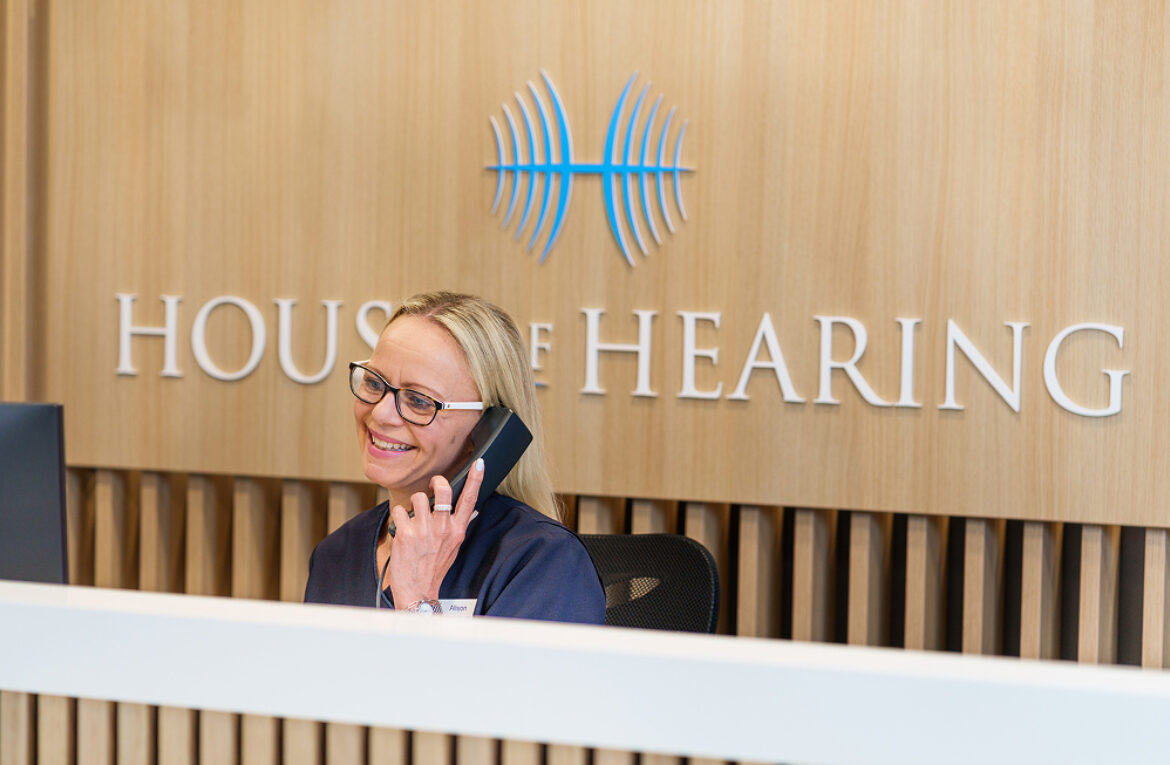
Take the first step towards better hearing
At House of Hearing, we believe hearing well means the world.
Our independent hearing specialists combine personalised care with advanced hearing technology to help you stay connected to the people and moments that matter most.
With Free Hearing Tests and our comprehensive four-year Complete Care package with hearing aids, we're here to support you throughout your hearing journey.
Book an appointment today and discover how better hearing could make a difference to your life.